Building a Fortress for Your Enterprise: A Practical Guide to Commercial Security Camera Installation in Manitoba
Every Manitoba business owner understands that security is not just a line item on a budget—it is the backbone of operational continuity, employee safety, and asset protection. From the bustling retail corridors of Winnipeg and the manufacturing hubs in Brandon to remote agricultural supply depots and northern resource sites, commercial properties face a diverse array of threats. Theft, vandalism, workplace incidents, and liability claims can erode profits and reputation overnight. Installing a robust video surveillance system is no longer optional; it is a strategic investment that delivers deterrent power, real-time awareness, and forensic evidence. Yet the path to a truly effective system begins long before the first camera is mounted. It demands thoughtful planning, an intimate understanding of Manitoba’s unique environment, and a professional approach that merges hardware, software, and local expertise. This article explores the essential layers of commercial security camera installation, offering insights to help you design a solution that works as hard as your business does.
A Site-Specific Security Blueprint: Meeting Manitoba’s Unique Business Demands
No two commercial properties in Manitoba share the exact same risk profile. A multi-tenant office building in downtown Winnipeg faces different challenges than a heavy equipment dealership on the outskirts of Steinbach or a cold storage warehouse near Thompson. That is why any commercial security camera installation Manitoba business leaders undertake must begin with a meticulous site assessment that maps out vulnerabilities, traffic patterns, and operational workflows. Without this groundwork, you risk spending capital on cameras that create blind spots, fail to capture critical details, or cannot withstand the province’s punishing winters.
A professional site survey examines entry and exit points, loading docks, parking areas, server rooms, and high-value inventory zones. It considers lighting conditions across all seasons—Manitoba’s long summer days present overexposure risks near windows, while the deep darkness of winter demands reliable low-light and infrared capabilities. The assessment also evaluates local crime trends, perimeter weaknesses, and the specific needs of your industry. A convenience store may need to capture clear facial images at the cash register, while a logistics yard requires license plate recognition and wide-area coverage. By aligning camera placement, lens focal lengths, and sensor specifications with these real-world factors, you avoid the common pitfall of a one-size-fits-all kit that simply cannot deliver forensic-grade footage when it matters most.
Beyond technical details, a site-specific blueprint factors in regulatory compliance and insurance requirements. Manitoba businesses handling sensitive customer data, pharmaceuticals, or food products often must meet stipulations set by industry bodies or insurers regarding surveillance coverage and retention periods. An installer who understands these obligations will position cameras to satisfy audit trails without compromising privacy. Additionally, a tailored plan accounts for future growth. Modular systems with scalable network video recorders (NVRs) and expandable switch capacity allow you to add cameras as your enterprise evolves, ensuring your initial investment remains relevant for years. This strategic foresight transforms security from a reactive expense into a dynamic operational asset.
Hardware That Handles the Prairies: Choosing Cameras Engineered for Manitoba’s Climate
Manitoba’s weather is legendary for its extremes: summer heat waves that push temperatures above 30°C, winter deep freezes that plummet to -40°C with wind chill, and everything in between, including heavy snow, ice storms, and rapid thaw cycles. Consumer-grade cameras simply buckle under these conditions. Commercial security camera installation in Manitoba demands industrial-grade hardware designed to operate reliably when the thermometer drops and the elements rage. Selecting the right equipment is the difference between a system that provides continuous protection and one that goes dark precisely when you need it most.
Cameras rated for IP67 or IP68 weatherproofing are non-negotiable for outdoor use, as they resist dust ingress and powerful water jets. For areas exposed to physical impact or tampering, enclosures with IK10 vandal resistance ensure lenses and housings survive blunt force. Equally important is the operating temperature range; look for components rated for -40°C to 60°C, often equipped with internal heaters and defogging mechanisms that prevent lens frosting. Many Manitoba businesses also benefit from cameras with built-in infrared or thermal imaging. Thermal cameras can detect heat signatures in complete darkness and through obscurants like blowing snow, making them invaluable for perimeter protection at remote sites where lighting infrastructure is impractical.
Resolution and intelligent analytics elevate a simple recording system into a proactive security solution. Modern 4K resolution IP cameras deliver crystal-clear detail, enabling you to zoom in on an intruder’s face or a license plate without pixelation. Pair high-resolution sensors with AI-driven analytics, and your system can distinguish between a person, a vehicle, and a stray animal, drastically reducing false alarms. Features like line crossing detection, object removal alerts, and people counting not only enhance security but also provide valuable business intelligence—helping you analyze foot traffic, staff productivity, and customer behavior patterns. Integration with access control systems and burglar alarms creates a unified security ecosystem; when a door is forced open, associated cameras immediately begin recording and send push notifications to your smartphone, giving you control from anywhere on the planet.
The Installation Lifecycle: Structured Cabling, Cybersecurity, and Sustained Performance
The most advanced camera technology is rendered useless by a sloppy installation. Commercial security camera installation in Manitoba requires a discipline that respects both the physical infrastructure of your building and the invisible digital layer that connects your system to the world. Professional installers follow a structured lifecycle that begins with proper cabling and extends through network configuration, rigorous testing, and long-term maintenance—ensuring every camera delivers peak performance from day one and for years after.
Structured cabling is the circulatory system of any surveillance network. For modern IP-based systems, Power over Ethernet (PoE) cables transmit both data and electrical power through a single, reliable connection, eliminating the need for separate power lines and reducing points of failure. Trained technicians run cables neatly through conduit, avoiding electrical interference, and mount cameras at optimal heights—typically between 8 and 12 feet—to capture usable facial details while staying out of easy reach. In commercial kitchens, dusty manufacturing floors, or corrosive agricultural environments, specialized cabling and protective housings prevent degradation. Every termination point is tested for signal integrity, and cable pathways are documented, making future troubleshooting or system expansion effortless.
Cybersecurity is a critical and often overlooked dimension of the installation lifecycle. Unsecured cameras are a prime target for hackers seeking network entry points. Professional installers harden your system by changing default passwords, enabling encrypted HTTPS and WPA3 protocols, segmenting camera traffic on a separate VLAN, and applying firmware updates before handover. These steps safeguard not only your video feeds but also your entire business network. Post-installation, comprehensive training ensures your team understands how to review footage, configure motion detection zones, and manage user permissions. A support framework that includes remote diagnostics and preventative maintenance agreements keeps your system in peak condition, addressing issues like dust on lenses, firmware bugs, or hard drive health before they cause an outage. By treating installation as an ongoing partnership rather than a one-time event, Manitoba businesses maintain an ever-vigilant sentinel that adapts to emerging threats and evolving technology.

Accra-born cultural anthropologist touring the African tech-startup scene. Kofi melds folklore, coding bootcamp reports, and premier-league match analysis into endlessly scrollable prose. Weekend pursuits: brewing Ghanaian cold brew and learning the kora.
HOUSE OF ZIGGIMAY: A Danish Perfume House Defining Quiet Luxury and Modern Craft
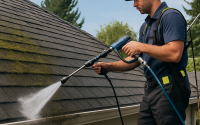
Roof Cleaners Near Me: Protect Your Roof, Curb Appeal, and Budget in the Portland Metro
Unmasking Forgeries: The Future of Document Fraud Detection
About The Author

Kofi Mensah
Accra-born cultural anthropologist touring the African tech-startup scene. Kofi melds folklore, coding bootcamp reports, and premier-league match analysis into endlessly scrollable prose. Weekend pursuits: brewing Ghanaian cold brew and learning the kora.