Cedar Park Roof Contractor You Can Trust for Texas‑Tough Protection
When the Texas sun beats down and storms roll through the Hill Country, your roof is the first and last line of defense. Choosing the right Cedar Park roof contractor isn’t just about shingles and nails—it’s about long-term performance, energy efficiency, and responsive service that understands our local climate. From residential homes in quiet cul-de-sacs to busy commercial facilities along 183, partnering with a team that knows Cedar Park, Williamson County, and the Austin Metro means your roofing system is tailored for heat, hail, and high winds—season after season.
What a Cedar Park Roof Contractor Brings to Your Home or Business
The difference between an average roof and a great one often comes down to local expertise. A seasoned Cedar Park team evaluates how our region’s unique conditions—intense UV exposure, spring hailstorms, heavy downpours, and sudden wind gusts—impact your roof over time. That assessment shapes everything from the underlayment and fasteners to the right shingle, metal, or membrane system for your property. It’s the difference between a roof that looks fine today and one that stays watertight and efficient for years.
Start with a precise inspection. A thorough evaluation checks more than surface shingles; it examines decking health, flashing integrity, ventilation balance, and attic insulation. Proper ventilation is essential in Central Texas; it helps reduce attic heat, supports shingle longevity, and can limit energy waste during brutal summers. Where needed, a trusted contractor will recommend upgrades like ridge vents, intake ventilation, or radiant barriers that work in harmony with a new or existing system.
Material selection follows real-world performance, not guesswork. For homes, impact-rated asphalt shingles help resist hail, while standing seam metal roofing offers longevity and heat reflectivity. Commercial and industrial facilities often benefit from flat roofing options such as TPO or modified bitumen, which deliver durability and strong seam performance under sun and storm. A reliable partner also enforces strict installation standards: fastener spacing that matches wind-zone recommendations, ice and water barriers in vulnerable valleys, and precise flashing around chimneys, skylights, and wall junctions.
After installation, a quality contractor offers scheduled maintenance and responsive support. Post-storm assessments, gutter clean-outs, minor roof repair, and proactive resealing of penetrations maintain a tight envelope and can extend the life of your system. If you’re weighing projects or planning ahead, working with a local Cedar park roof contractor gives you insight on regional code requirements and material availability, plus help navigating documentation for insurance when severe weather strikes. The right partner makes roofing simple and strategic—so you can protect your investment without surprises.
Roof Repair, Replacement, and Materials Built for Central Texas
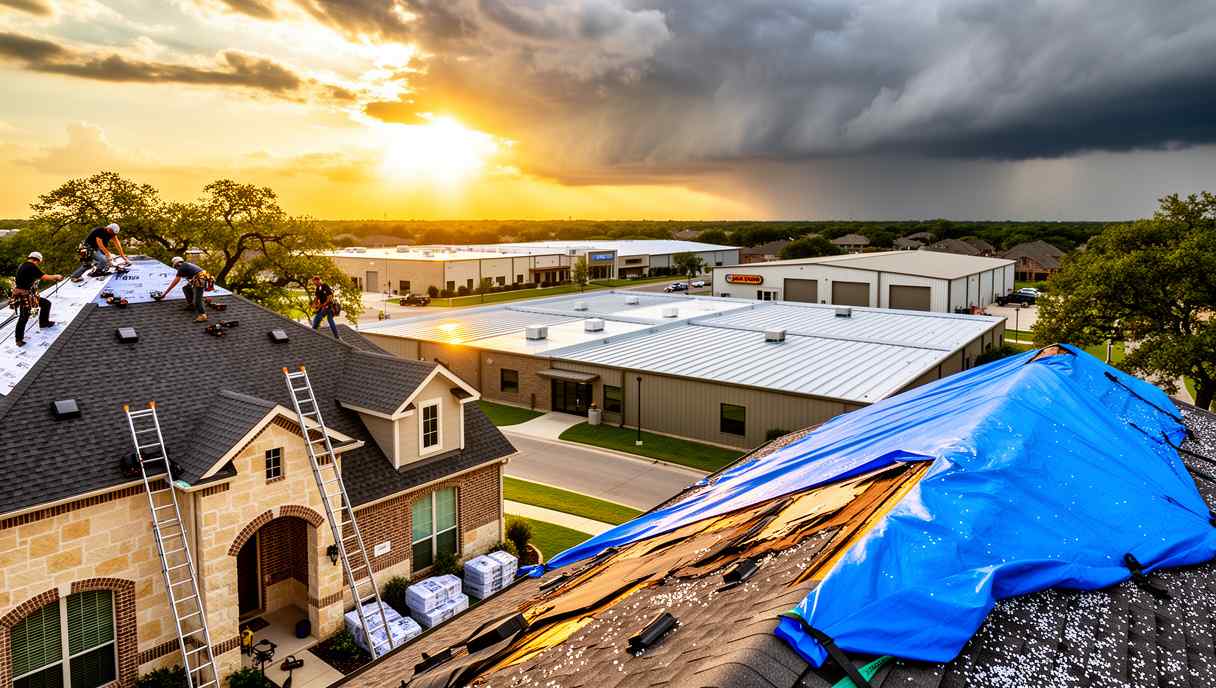
Every roof has a life cycle, and knowing when to repair versus replace can save money and time. A targeted roof repair is the right call for isolated shingle blow-offs, punctures from wind-borne debris, minor flashing issues, or single-spot leaks. Repairs should restore the original water-shedding design and color-match where possible, preserving curb appeal and integrity. Quick action after storms—tarping, sealing, or replacing damaged components—prevents small openings from becoming widespread problems.
Full roof replacement is typically recommended when widespread granule loss is present, shingles are curling or cupping, nails are backing out, decking shows signs of soft spots, or recurring leaks persist in multiple areas. For metal roofs, replacement may be wise if corrosion is advanced, seams are failing, or panels have suffered structural damage. On commercial properties with flat roofs, consistent ponding, seam failures, or membrane brittleness can indicate the need to replace or re-cover.
Material choice should match your property’s design and performance goals. Class 4 impact-rated shingles help mitigate hail damage and may offer insurance incentives. Standing seam metal systems provide exceptional longevity and heat reflectivity, supporting cooler attic temperatures during peak summer. Stone-coated steel blends durability with a traditional profile. For flat and low-slope applications, TPO and PVC membranes deliver strong weldable seams and reflectivity, while modified bitumen offers robust redundancy and proven performance. Strategic use of coatings can extend the life of aging low-slope systems when substrate conditions allow.
Energy-minded upgrades complete the picture. Proper ventilation, solar-reflective surfaces, and balanced attic insulation can reduce heat gain and help your HVAC run more efficiently. Ask about manufacturer-backed warranties and workmanship coverage; reputable contractors align installation details with warranty requirements to protect your investment. Whether you manage a busy retail center in Round Rock or own a family home near Cedar Park’s parks and trails, the right mix of materials and methods ensures your roof weathers heat, hail, and wind with confidence.
From Storm Response to Preventive Maintenance: Real Scenarios in Cedar Park, Leander, and Round Rock
Central Texas weather can turn on a dime, so responsive service matters. After a spring hail event in a Cedar Park neighborhood, a homeowner might notice shingle bruising and granules washing into the gutters. A prompt inspection documents the damage with photos, checks for torn underlayment and dented vents, and tests soft metals for impact marks. Temporary protection, like tarping or emergency sealing, prevents interior leaks. If an insurance claim is appropriate, clear documentation and an itemized repair or replacement scope simplify next steps while keeping the project compliant with local codes.
Consider a Leander property where high winds lift shingles along the eaves. Here, fast remediation stops wind-driven rain from invading the deck and soffits. Technicians replace compromised shingles, verify nailing patterns and starter course adhesion, and reinforce flashing where uplift pressures are highest. If repeated wind damage occurs, the homeowner may explore upgrading to high-wind-rated shingles or a standing seam metal system that offers stronger uplift resistance, all anchored with the correct fasteners and clip spacing for our region.
Commercial facilities face different challenges. In Round Rock, a flat-roof building might develop ponding near HVAC curbs after a heavy downpour. An experienced team inspects membrane seams, checks for clogged drains, and evaluates insulation saturation with core samples or infrared scans. Solutions can include tapered insulation to improve drainage, curb re-flashing, or a partial re-cover with a compatible membrane. If the membrane remains structurally sound, a reflective coating system may extend service life and boost energy performance through the hot season.
Preventive maintenance ties everything together. Twice-yearly checkups—often after spring storms and before peak summer—address sealant touch-ups, minor roof repair, debris removal, and gutter adjustments. These visits also catch early signs of wear like micro-cracking, lifted edges, or fastener back-out on metal panels. For homes in Georgetown or businesses along the Austin Metro corridor, scheduled service helps maintain manufacturer warranties and prolongs roof life, all while reducing the risk of disruptive leaks during the next thunderstorm.
Local familiarity streamlines the entire process. Crews who work daily in Cedar Park understand common architectural details, HOA expectations, and the subtle differences in wind exposure from one subdivision to the next. They also know how Texas heat impacts adhesives, sealants, and flashings—choosing products and application windows that cure properly and stand up to UV stress. That combination of regional knowledge, disciplined installation, and steady follow-through is what sets a strong Cedar Park roof contractor apart when it comes to protecting your property and budget.

Accra-born cultural anthropologist touring the African tech-startup scene. Kofi melds folklore, coding bootcamp reports, and premier-league match analysis into endlessly scrollable prose. Weekend pursuits: brewing Ghanaian cold brew and learning the kora.
About The Author

Kofi Mensah
Accra-born cultural anthropologist touring the African tech-startup scene. Kofi melds folklore, coding bootcamp reports, and premier-league match analysis into endlessly scrollable prose. Weekend pursuits: brewing Ghanaian cold brew and learning the kora.