Stop Letting Dirty Runoff Drain Your Budget: Build a Compliant Wash Rack That Works
What a Modern Wash Rack Is—and Why It Matters for Fleets and Heavy Equipment
A wash rack is more than a concrete pad with a hose. It’s a purpose-built, contained system that keeps dirt, salt, oils, and chemicals from entering storm drains while giving your crew a fast, reliable place to clean vehicles and equipment. Whether you operate dump trucks, refuse vehicles, street sweepers, construction equipment, buses, ag machines, or rental fleets, a properly designed contained wash area reduces environmental risk, trims operating costs, and extends equipment life.
Without containment and treatment, wash water can carry petroleum residue, brake dust, metals, and deicing salts into soil or municipal storm systems. That exposure can trigger violations of the Clean Water Act, NPDES-related requirements, or local sewer-use rules. It can also drive higher insurance premiums and unexpected maintenance costs as corrosive residues eat away at frames, hydraulic lines, electrical connectors, and paint. A compliant system, by contrast, captures runoff, separates solids and oil, and either reuses or discharges water under permit—helping you avoid fines and asset damage.
Operationally, the difference shows up in daily productivity. A well-thought-out wash rack organizes workflow with safe traffic patterns, dedicated mud capture zones, and high/low-pressure cleaning stations. Crews move faster, keep mud out of shop bays, and reduce slip hazards. If your team currently washes on gravel, asphalt, or an ad hoc slab that drains to nowhere in particular, you’re likely paying for repeated cleanup, clogged drains, and premature rust—costs that don’t appear on a single invoice but snowball over time.
A purpose-built wash rack also protects your brand and relationships with neighbors. Contained washing minimizes tracking of sediment onto public roads, reduces odors from stagnant water, and shows regulators you’ve invested in responsible stormwater management. When paired with water reclaim, the same system can cut freshwater use dramatically, a practical win during drought restrictions or in areas with high utility rates. For organizations under performance-based maintenance contracts, clean equipment isn’t just cosmetic; it prevents hidden wear from compacted dirt and chloride salts that would otherwise shorten service intervals and component life.
Key Design Elements: Containment, Treatment, and Water Reuse That Meet Compliance
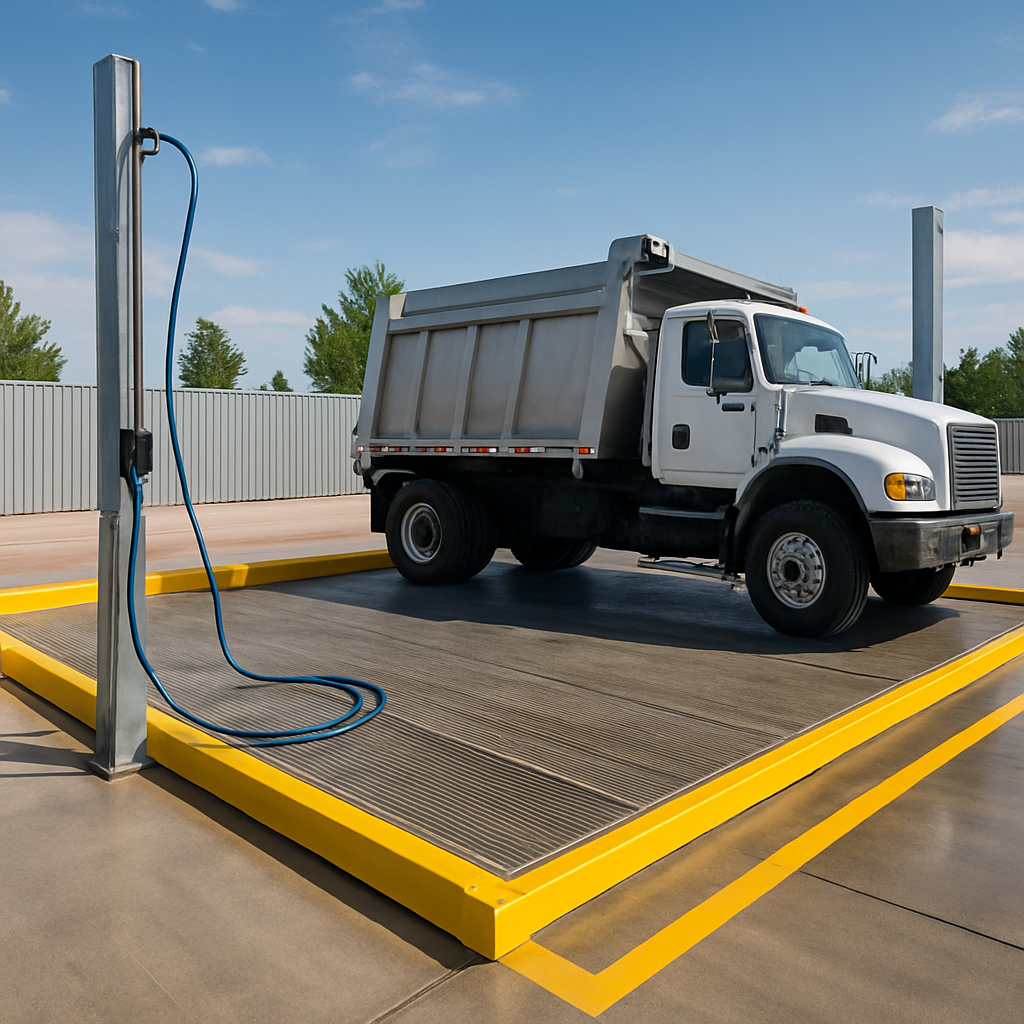
Every effective wash rack starts with containment. Options range from permanent concrete bays with trench drains to modular steel-grated pads and portable bermed mats. The common design principle is simple: slope the surface (often 1–2%) toward a collection point so water, mud, and oil are captured. Grated decks let solids drop into sumps, while debris baskets and screens intercept larger material—keeping pumps and separators from clogging. For mobile operations, portable racks with foam berms or folding walls offer quick deployment without excavation, ideal for contractors moving between jobs.
Once captured, water needs a treatment path sized to your peak flow. A typical train includes primary solids separation (sludge pit or cone-bottom tank), then a coalescing oil-water separator to strip free and dispersed oils. From there, polishing filters remove fine sediment; optional media—such as activated carbon—helps with residual detergents or odors. If you plan to discharge to sanitary sewer, local plumbing codes and industrial user permits dictate limits for oil and grease, total suspended solids, and pH. If you discharge to storm under an NPDES framework, you’ll focus on eliminating non-stormwater releases and maintaining records that support your Stormwater Pollution Prevention Plan (SWPPP). Many facilities choose closed-loop water reclaim to avoid discharge altogether, recirculating treated water to pressure washers and topping off only for losses.
Details matter. Covered bays reduce rain intrusion that can overwhelm treatment systems and create compliance headaches. Heat tracing, insulated lines, and in-bay heaters keep racks productive in winter while preventing ice hazards—critical for DOT and municipal fleets removing salt brine. Electrical design must include GFCI protection and interlocks that prevent pumps from running dry. Control panels with high-level alarms, float switches, and sample ports make operations and reporting easier. For chemistry, choose biodegradable detergents compatible with your separator and filters; overly aggressive acids can damage components and create disposal issues. Finally, plan for sludge: designate a drying area, test if required by your jurisdiction, and coordinate disposal to a permitted facility.
Right-sizing is the difference between a smooth operation and a constant maintenance chore. Undersized sumps, separators, or filters lead to bypassing, foul odors, and clogs. Oversizing without considering footprint and access raises costs and complicates cleaning. A sound design process inventories the fleet mix, soil types, expected mud load, wash frequency, and regulatory pathway. It also anticipates growth—adding space for extra filtration skids, future chemical dosing, or an additional pressure washer drop when the fleet expands.
From Installation to Daily Use: Best Practices, ROI, and Real-World Results
Implementation begins with a clear workflow. Set a pre-wash zone for scraping and shoveling heavy mud—a low-cost step that protects pumps and extends filter life. Standardize wash steps: pre-rinse, foam or detergent application, dwell time, targeted agitation, and final rinse. Train operators to use lower pressure and higher flow for bulk removal, reserving high pressure for stubborn areas. Hot water accelerates cleaning and reduces detergent consumption. Post-wash, operators should return hoses and wands to designated holsters, squeegee standing water toward the drain, and check screens so the next team starts fresh.
Maintenance is predictable when scheduled. Inspect and clean debris baskets daily on heavy-mud days; pump out sumps and remove sludge based on measured accumulation, not guesswork. Service coalescing plates per manufacturer guidance to keep oil capture effective. Change filter media on pressure drop or water quality triggers, and log each service event for compliance and warranty purposes. Keep spare gaskets, pump seals, and sensors on hand to avoid downtime. In freezing climates, winterize by insulating exposed lines, installing heat trace, and adding door curtains or radiant heat to keep bays operational without ice formation.
Proper documentation reinforces compliance and continuous improvement. Keep a simple binder or digital log with permits, sampling results, SDS sheets for detergents, calibration records for pH or conductivity meters, and a map of valves and shutoffs. Post signage showing emergency contacts, spill response steps, and PPE requirements. For facilities storing fuels or oils nearby, align your wash facility procedures with SPCC plans and your broader environmental management system so training and drills stay consistent.
The business case for a wash rack is compelling. Fleets that switch from ad hoc washing to contained, reclaimed systems often report 70–90% reductions in freshwater use, faster cycle times, and lower corrosion-related repairs. For example, a Midwestern municipality upgraded to a covered, heated rack with oil-water separation and closed-loop reclaim for its plow trucks. By removing salt promptly and preventing ice in the bay, they reduced rust repairs and brake component replacements and reported avoiding overtime previously spent chipping ice and clearing drains. A civil contractor using a portable grated rack on job sites captured tons of sediment over a season, avoided stormwater violations after rain events, and kept tracked mud off public roads—maintaining good standing with the local inspector and nearby residents. A refuse fleet that incorporated a sludge pit upstream of its separator cut monthly pump-outs in half and reduced odor complaints by improving solids capture.
Common pitfalls are avoidable: don’t tie into storm drains without a permit pathway; don’t undersize separators for high-foam detergents; and don’t skip operator training. Resist the urge to chase “zero maintenance” promises—every system needs cleaning, but smart design makes it quick and safe. When budgeting, account for concrete or modular pad costs, treatment equipment, electrical, canopy or enclosure, and commissioning. Balance capital with lifecycle: reusable filters, easy-access sumps, and durable grating reduce long-term labor. When dialed in, a well-run compliant wash rack pays for itself through lower water and sewer fees, reduced fines risk, less corrosion, and a faster, safer cleaning process that keeps your fleet in service and regulators off your back.

Accra-born cultural anthropologist touring the African tech-startup scene. Kofi melds folklore, coding bootcamp reports, and premier-league match analysis into endlessly scrollable prose. Weekend pursuits: brewing Ghanaian cold brew and learning the kora.
About The Author

Kofi Mensah
Accra-born cultural anthropologist touring the African tech-startup scene. Kofi melds folklore, coding bootcamp reports, and premier-league match analysis into endlessly scrollable prose. Weekend pursuits: brewing Ghanaian cold brew and learning the kora.